

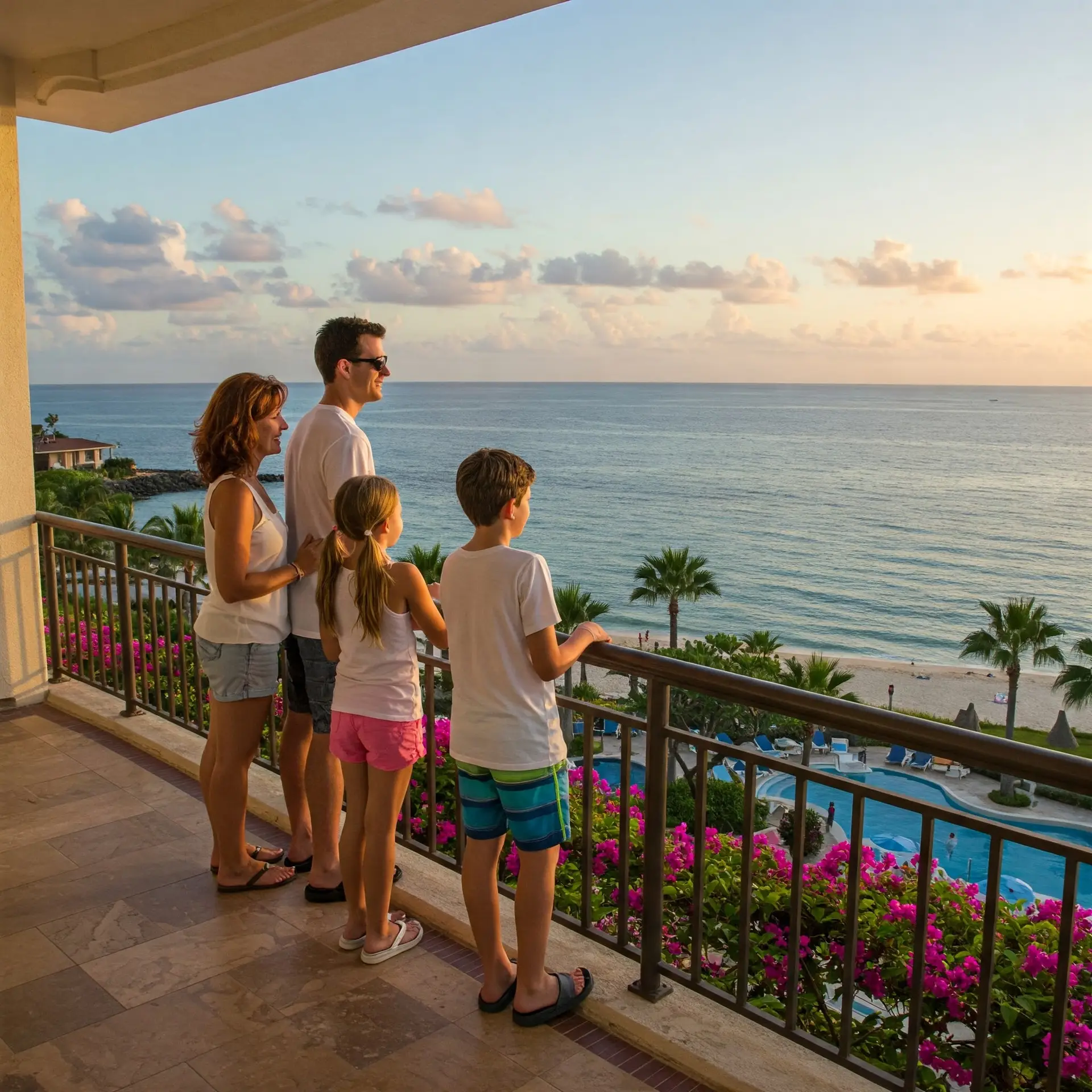

The Lean Six Sigma Family Adventure: Vacation Planning from Chaos to Perfection
Once upon a time in a rainy March weekend in Wrocław, Poland, the Kowalski family—Anna (Mom), Piotr (Dad), Zosia (10), and Kuba (7)—sat around their kitchen table. The air was filled with excitement as they dreamed of a two-week vacation in Turkey. They wanted to explore Istanbul’s rich history for one week and relax by the beach during the second. But they had two major constraints: a €3,000 budget and a hard deadline to return by May 30. Goal? See the wow, skip the meh, and don’t come home broke.
Piotr, ever the problem-solver, raised his hand like he was pitching a groundbreaking idea at work. “What if we use Lean Six Sigma principles to plan our trip?”
Anna chuckled. “Lean Six Sigma? Isn’t that for factories?”
“Not anymore!” Piotr replied with a grin. “It’s about eliminating waste—of time, money, and stress. Let’s make this vacation efficient and fun. It’s DMAIC time!”

Define – The Mission (Not) Impossible
In Lean Six Sigma, it starts with Define. No action movies here, just crystal-clear goals.
Piotr grabbed a marker and drew a diagram on the whiteboard:
- Who: Two adults and two kids.
- What: A mix of cultural exploration and beach relaxation.
- Where: Istanbul and western Turkey (sightseeing) and a beach resort.
- When: May and return by 30 May.
- Constraints: €3,000 budget; return by May 30.
- Goals: Maximize fun, minimize travel chaos.
- Success Metrics:
- See 90% of “must-visit” attractions.
- Spend <€100/day on food and activities.
- Zero family meltdowns. (Okay, maybe just one.)
Voice of the Customer (VoC)? „Make it awesome, cheap, and stress-free.” No pressure.
Measure: The Past is Prologue (and Full of Mistakes)
The family reviewed their last vacation to Spain—a logistical disaster. Overspending on taxis, wasting time on inefficient routes, and missing key attractions left them feeling drained.
Lessons from Past Vacays:
- Spent 30% over budget thanks to spontaneous “fun” detours.
- Missed two castles and a whole beach day due to poor scheduling.
- Dad’s “shortcut” led to a 3-hour hike. In flip-flops.
Data Collection:
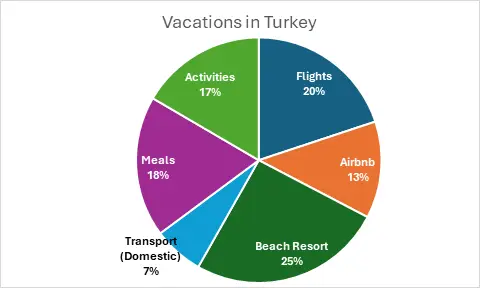
- Flights Wrocław → Istanbul: ~€150/person round trip.
- Istanbul Airbnb: €55/night.
- Beach Resort (Fethiye/Bodrum): €110/night.
- Transport (Domestic): €200 total (train + bus + taxi).
- Meals: €20/day average (supermarket or kebabs).
- Activities: €500 total.
Analyze: Finding the Bottlenecks (and Ice Cream Stops)
Now for the Analyze phase – where we cut the waste (Muda!), identify the pain points, and yes, prepare to optimize for maximum gelato per euro.
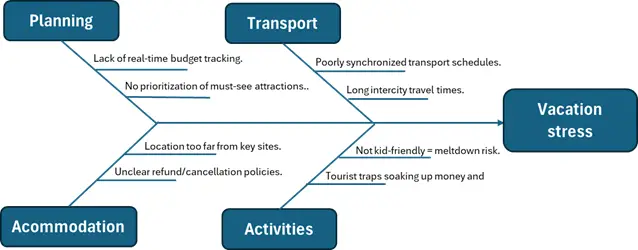
Pain Points:
- Travel Time Drain: Istanbul → Beach Towns can eat up 10 hours if not planned.
- Budget Bleed: Tourist traps (accommodation, restaurants, trips) = empty wallet + mediocre experiences.
- Unhappy Kids = Doom; No pool = mutiny.
Solutions? Standardize, streamline, and snack strategically.
Improve: Time to Execute (and Actually Enjoy It)
Improvement is the fun part – the “let’s make this awesome” stage. The Kowalski’s implemented their Lean Six Sigma strategy:
- Transportation Optimization
- Book flights early to secure cheaper fares (€150/person).
- Use apps like Rome2Rio to compare travel times for intercity trips like Istanbul to Izmir or Fethiye.
- Accommodation Selection
- Stay in Sultanahmet for easy access to Istanbul’s historical sites.
- Choose family-friendly beach resorts like Hillside Beach Club in Fethiye for relaxation and kids’ activities.
- Sightseeing Itinerary
Week 1: Istanbul & Historical Sites
- Visit Hagia Sophia, Blue Mosque, Basilica Cistern, and Topkapi Palace in Sultanahmet.
- Take day trips to UNESCO sites like Ephesus and Aphrodisias.
- Use public transport or guided tours to save time.
Week 2: Beach Leisure
- Relax at an all-inclusive resort in Fethiye or Bodrum.
- Include optional activities like boat tours along the Bosphorus or scuba diving for added fun.
- Budget Control
- Use expense-tracking apps to monitor spending daily.
- Leverage discounts on family passes for museums and attractions.
Control: No Surprises Allowed (Unless They’re Fun)
Control is key to keeping this vacation from going full disaster mode. To ensure success:
- Anna created a packing checklist with color-coded sections for each family member.
- Piotr set up budget alerts on his phone.
- The kids were bribed with promises of daily ice cream if they stuck to the schedule.
Control Measures:
- Expense Tracker App: Dad’s new toy.
- Daily Itinerary Review: Adjust for weather, tantrums, or surprise nap needs.
- Emergency Fund (€200): For “unexpected” souvenir binges.
Risk Mitigation:
- Flight delays? Book morning departures.
- Lost luggage? Pack essentials in carry-ons.
- Bad weather? Have indoor backup activities (Istanbul aquarium, museum fun).
Family RACI Matrix (Yes, We Went There):
- Responsible: Dad (flights, itinerary).
- Accountable: Mom (meals, accommodation quality).
- Consulted: Kids (activities).
- Informed: Grandma (gets the postcards).
Plot Twist #1: The Lost Luggage Debacle
Their adventure began smoothly—until Anna’s suitcase decided to take its own vacation in Frankfurt.
“Lean Six Sigma didn’t account for this,” Anna groaned.
Piotr sprang into action. Using his efficiency skills, he located a nearby mall where Anna could buy essentials without blowing their budget. Zosia took charge as “chief fashion consultant,” helping her mom pick out new outfits.
By Day 2, Anna’s suitcase arrived at their Airbnb—but she admitted she liked her new clothes better than what she’d packed!
Plot Twist #2: The Great Beach Resort Mix-Up
When they arrived at their beach resort in Fethiye, they were greeted warmly—until the receptionist said someone named “Kowalska” had already checked in.
“Did Lean Six Sigma predict identity theft?” Kuba whispered dramatically.
After some frantic calls and emails (and Piotr showing his Gantt chart to anyone who would listen), the hotel manager upgraded them to a suite with sea views as an apology.
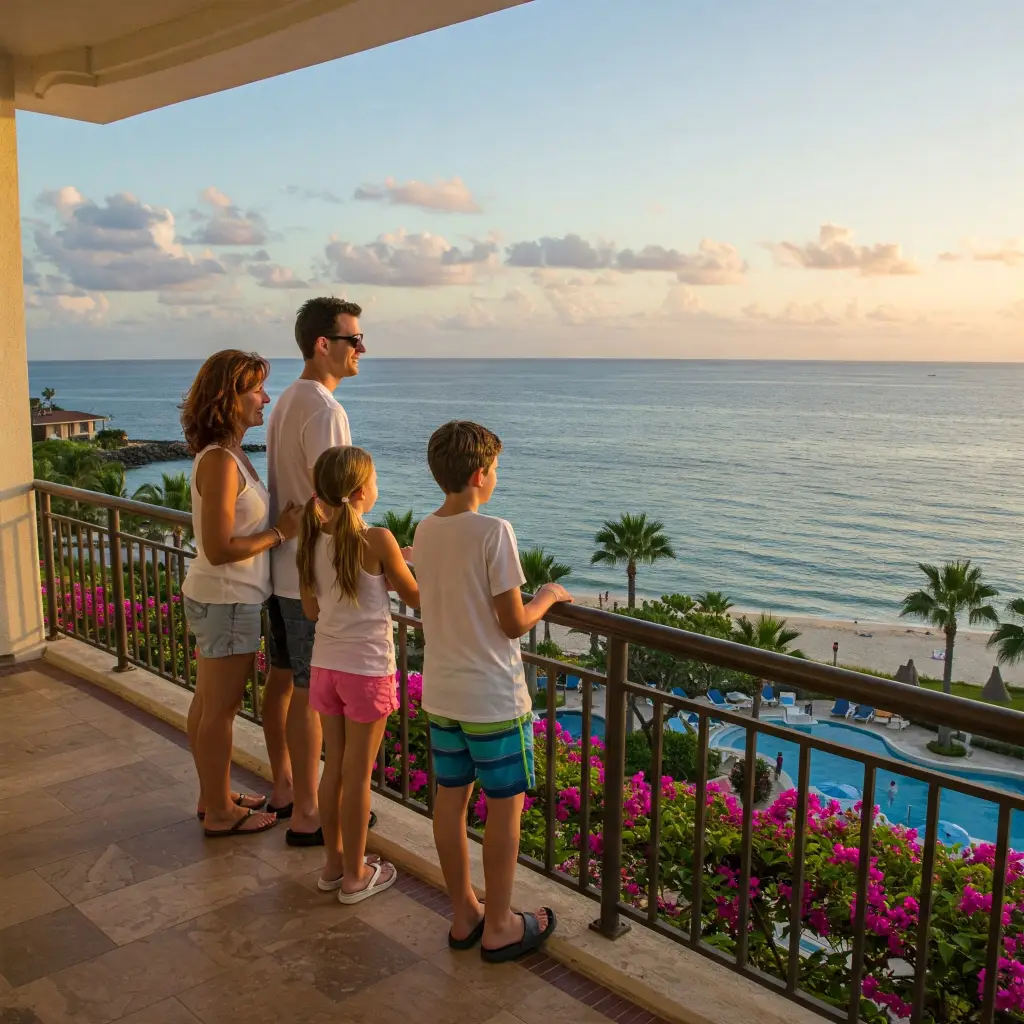
“Well,” Anna said later that evening as she sipped her cocktail on the balcony, “sometimes inefficiency works in your favor.”
Results – The Kowalskis’ Turkish Triumph
Despite hiccups—or perhaps because of them—the Kowalskis had an unforgettable trip:
- Zosia marveled at Hagia Sophia while Kuba tried to count every tile in the Blue Mosque (“There are millions, Mom!”).
- At Pamukkale’s travertine terraces, Anna snapped photos while Piotr explained geological formations until the kids begged him to stop.
- Their week at the beach was equally magical; Anna enjoyed spa treatments while Piotr finally finished reading his Lean Six Sigma handbook by the sea.
Best of all? They stayed within their €3,000 budget—barely—and returned home with hilarious stories to share.
Conclusion – From Chaos to Champion-Level Chill
As they flew back to Wrocław, Anna smiled at Piotr. “Using Lean Six Sigma wasn’t just practical—it made planning fun! We should do this every year.”
Zosia chimed in, “Can we use Lean Six Sigma to plan my birthday party?”
Kuba added with a grin, “And my soccer tournament?”
Piotr laughed. “Why not? Lean Six Sigma isn’t just for vacations—it’s a way of life!”
Visual Element: Cartoon-style family waving goodbye with suitcases surrounded by icons representing lessons learned (flexibility, efficiency).
Lean Six Sigma isn’t just for factories or boardrooms. It’s for life – and yes, even vacations. With a mix of process discipline, a sprinkle of humor, and just the right amount of spreadsheet wizardry, any family can transform their trip into a streamlined, memorable adventure.
So next time you hear “vacation planning,” don’t reach for the panic button. Reach for DMAIC. And maybe, just maybe, that vacation won’t end in tears (unless someone forgets the sunscreen).



Dodaj komentarz